
When you decide to sell your old or unwanted vehicle, you may wonder what happens after it leaves your property. Understanding the Journey of Recycling and Dismantling helps you see how the process supports environmental sustainability while ensuring your vehicle is handled responsibly. For many people who choose to sell your car for cash Adelaide, this process provides peace of mind knowing their car is being managed in an eco-friendly and efficient way.
Initial Vehicle Assessment and Inspection
Once your vehicle is collected, it is transported to a professional facility where it undergoes a detailed inspection. This step determines the condition of the car and the most suitable path forward. Vehicles that still have usable life may be considered for resale or refurbishment, while those that are no longer roadworthy move forward in the Journey of Recycling and Dismantling. Factors such as age, condition, and market demand are carefully evaluated to ensure maximum value is recovered.
Safe Removal of Fluids and Hazardous Materials
Before dismantling begins, all fluids are safely drained from the vehicle. This includes engine oil, coolant, brake fluid, and fuel. Proper handling of these substances is essential to prevent environmental damage. By following strict safety standards, the recycling process ensures that harmful materials do not contaminate soil or water, making it a responsible step for those who choose to sell your car for cash Adelaide.
Recovery of Usable Parts and Components
After the vehicle is prepared, technicians carefully remove parts that are still in working condition. Components such as engines, transmissions, batteries, and interior fittings are inspected and preserved for reuse. This stage plays an important role in the Journey of Recycling and Dismantling, as it reduces waste and supports the reuse of valuable materials. These salvaged parts can then be used in other vehicles, helping to lower manufacturing demand.
Crushing and Material Separation
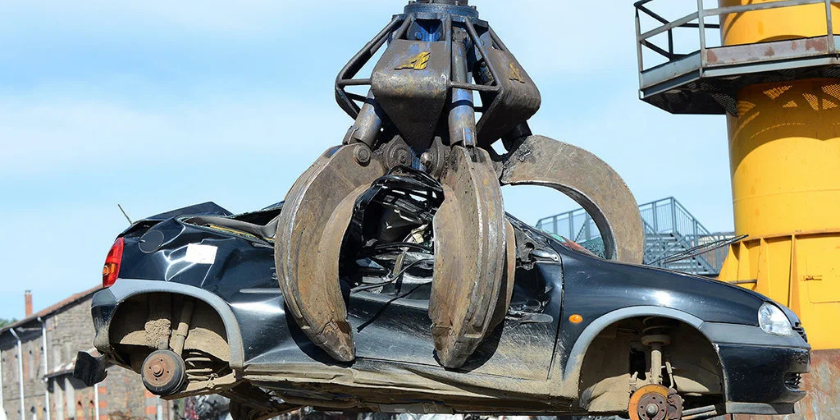
Once all reusable parts are removed, the remaining structure of the car is processed for recycling. The vehicle body is crushed and sent to specialized facilities where it is broken down into smaller pieces. Advanced technology is used to separate metals, plastics, and other materials efficiently. This ensures that each component is directed toward the correct recycling stream.
Recycling and Repurposing Materials
The separated materials are then recycled and transformed into new products. Metals such as steel and aluminum are melted and reused in construction or manufacturing, while plastics and rubber are repurposed into various industrial applications. Glass from windows is also processed for reuse. This stage is central to the Journey of Recycling and Dismantling, as it ensures that a large portion of the vehicle is reused, reducing overall waste and conserving natural resources.
Environmentally Responsible Waste Disposal
Not every part of a vehicle can be recycled. Some materials are disposed of using safe and regulated methods to minimize environmental impact. Professional services ensure that all disposal practices meet strict environmental guidelines, making the process safe and sustainable for the community.
Environmental Benefits of Car Recycling
Recycling vehicles has a significant positive impact on the environment. It reduces the need for raw material extraction, lowers energy consumption, and prevents harmful substances from entering ecosystems. For individuals who choose to sell your car for cash Adelaide, this means contributing to a cleaner and greener future while also benefiting financially.
A Responsible Approach to Vehicle Removal
Companies like KHZ Cash For Cars follow responsible recycling practices to ensure every vehicle is processed efficiently. From initial pickup to final recycling, each step is handled with care to meet environmental standards and provide a smooth experience for car owners.
Conclusion
Selling your car is not just about removing an unwanted vehicle; it is also about being part of a sustainable solution. The complete Journey of Recycling and Dismantling highlights how modern car removal services turn old vehicles into valuable resources. When you choose to sell your car for cash Adelaide, you are not only gaining convenience and instant value but also supporting eco-friendly practices that benefit the environment for the future.
